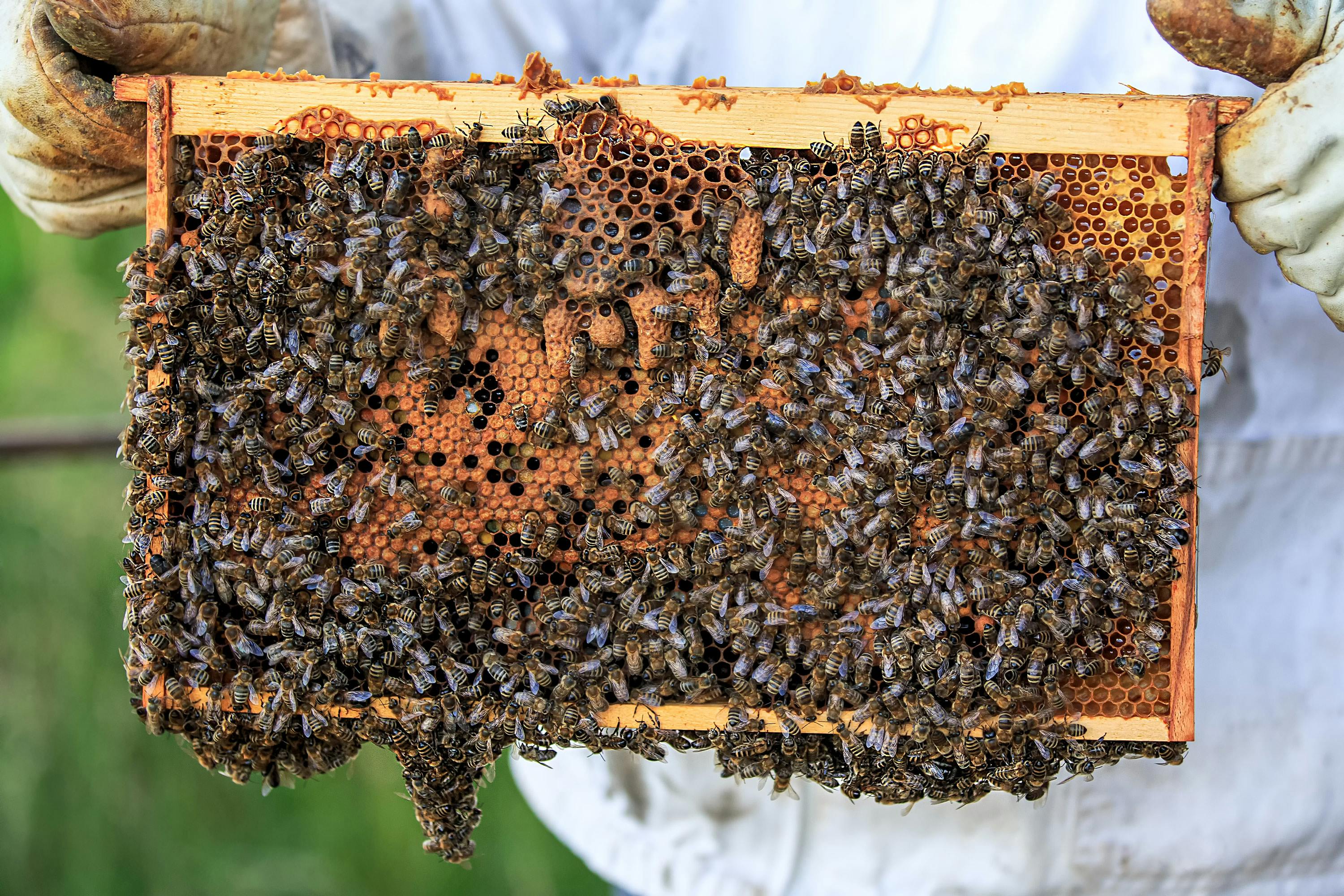
For a beekeeper, the frames of honeycomb within a hive are more than just wax and brood; they are a living diary, a detailed report card on the health, productivity, and mood of the colony. Learning to "read the comb," particularly the brood frames, is perhaps the most crucial skill in beekeeping. It allows you to understand what your bees are telling you and to make informed management decisions.
Preparing for a Brood Frame Inspection
Before you even open the hive, be prepared. Have your smoker lit well, your hive tool clean, and your protective gear on. Approach the hive calmly. A few puffs of smoke at the entrance and under the lid will help mask alarm pheromones and keep the bees calmer.
When you remove a brood frame, do so slowly and deliberately. Hold it vertically over the hive to prevent any dripping honey or falling bees from being lost. Keep the sun to your back if possible, as this helps illuminate the cells, making it easier to spot eggs.
What to Look For: The Key Indicators
1. The Queen (and Signs of Her Presence)
Actually spotting the queen can be like a game of "Where's Waldo?" and isn't always necessary if you see evidence of her work. However, if you do see her, note her size, shape, and movement. Is she plump and active?
The most important sign of a healthy, laying queen is the presence of eggs.
- Eggs: Look deep into the bottom of the cells in the brood area. Freshly laid eggs are tiny, white, and look like miniature grains of rice standing on end in the center of the cell. You may need a magnifying glass or good eyesight. Seeing one egg per cell is a good sign. Multiple eggs per cell can indicate a laying worker or a failing queen.
- Lack of Eggs: If you see no eggs, and no very young larvae, it's a cause for concern.
- The colony could be queenless.
- The queen might have stopped laying temporarily due to a nectar dearth or poor weather.
- She might be failing or recently superseded.
2. Brood Pattern: The Queen's Report Card
The pattern of capped brood on a frame is a key indicator of the queen's health and laying ability.
- Good Brood Pattern: A healthy, prolific queen will lay eggs in a compact, solid pattern, with very few empty cells interspersed within the brood area. You should see concentric circles of eggs, then larvae of increasing size, then capped pupae, often forming a beautiful, rainbow-like arc on the frame. This indicates she's laying consistently and the workers are caring for the brood well.
- Spotty or Scattered Brood Pattern: Many empty cells, or a "pepperbox" pattern with capped cells mixed randomly with empty ones or cells of different aged brood, can indicate:
- A failing queen with low fertility.
- Brood diseases (like Chalkbrood or Sacbrood, where larvae die and are removed by workers).
- Varroa mite infestation stressing the brood.
- Poor nutrition leading to cannibalization of brood.
3. Stages of Brood Development
Observing all stages of brood development is a good sign of continuous queen activity:
- Eggs: As mentioned, tiny white specks (Days 1-3).
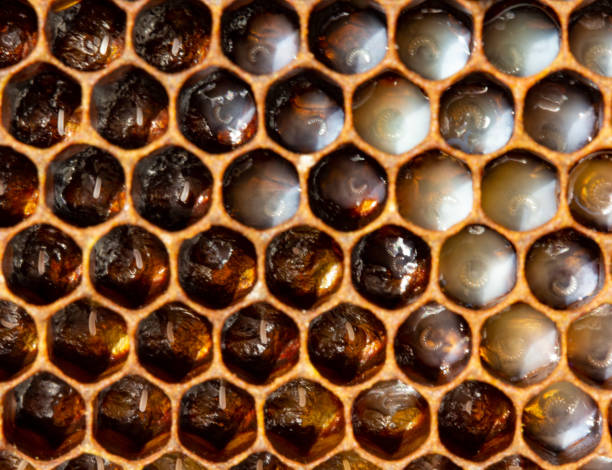
- Larvae: Small, white, C-shaped grubs curled at the bottom of the cell. They grow rapidly, being fed by nurse bees (Days 4-9). Healthy larvae are pearly white and glistening. Discolored or twisted larvae are a sign of trouble.
- Pupae (Capped Brood): Once larvae are fully grown, workers cap their cells with a porous beeswax capping. Inside, the larva pupates and transforms into an adult bee.
- Worker pupae cappings are slightly domed and take about 12 days to emerge (total 21 days from egg to adult).
- Drone pupae cappings are much more domed, like bullet casings, and take about 15 days to emerge (total 24 days from egg to adult).
The presence of all stages in appropriate numbers indicates a healthy, ongoing brood cycle.
4. Queen Cells: Signs of Reproduction or Replacement
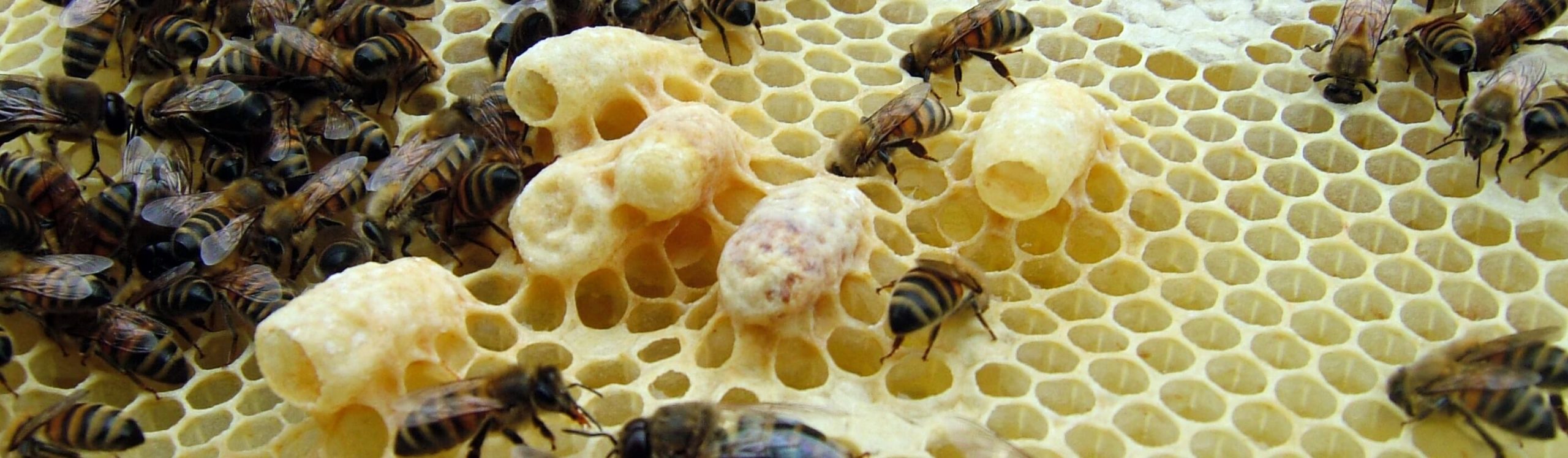
Finding queen cells is significant and tells you the colony is planning to raise a new queen. The type and location of queen cells are crucial clues to their intentions:
- Swarm Cells:
- Appearance: Peanut-shaped cells, typically numerous (5-20+).
- Location: Usually found hanging vertically from the **bottom edges of frames**, or sometimes in gaps or holes in the comb.
- Indication: The colony is preparing to swarm. They are raising new queens because the old queen will leave with a portion of the colony. This is common in strong, populous hives, especially in spring.
- Supersedure Cells:
- Appearance: Peanut-shaped, but typically fewer in number (1-5).
- Location: Usually found on the **face of the comb**, not necessarily at the bottom.
- Indication: The bees have decided their current queen is failing (old, injured, poor pheromones, poor layer) and are proactively raising a replacement. The old queen may still be present and laying. Often, the new queen will emerge, mate, and replace the old one, sometimes coexisting for a short period.
- Emergency Cells:
- Appearance: Peanut-shaped, often built out from existing worker cells containing young larvae. Can be few or many.
- Location: Can be found anywhere on the face of the comb where suitable young worker larvae were present.
- Indication: The colony has suddenly become queenless (e.g., the queen died accidentally or was lost). The bees are making a last-ditch effort to raise a new queen from existing young larvae. These are often a sign of a problem that needs your attention.
If you find queen cells, note their type, number, and whether they are capped (meaning a queen pupa is inside) or open (with an egg or larva). This will inform your management decisions regarding swarm prevention or re-queening.
5. Food Stores: Honey and Pollen
Brood frames will also typically have an arc of pollen (various colors) and then an arc of capped honey above and around the brood nest. Assess these stores:
- Sufficient Pollen ("Bee Bread"): Essential for feeding larvae. Lack of diverse pollen can impact colony health.
- Adequate Honey Stores: Bees need honey for energy. Are there enough stores for the current population and weather conditions?
6. Pests and Diseases
While inspecting, always be vigilant for signs of pests and diseases:
- Varroa Mites: Look for small, reddish-brown, oval mites on adult bees or in drone brood cells (they prefer drone brood).
- Brood Diseases: Look for discolored larvae (yellow, brown, black), sunken or perforated cappings, foul odors (AFB has a distinct, strong odor), or "ropy" dead larvae. Chalkbrood appears as mummified white or black larvae. Sacbrood larvae look like a fluid-filled sac.
- Other Pests: Small hive beetles, wax moth larvae or webbing.
Reading the comb is an art that develops with experience. Each hive inspection is a chance to learn more about the intricate lives of your bees. By paying close attention to the queen's presence, brood patterns, the types of cells present, and the overall health of the brood, you can gain profound insights into your colony's status and make timely decisions to help them thrive. Take your time, be observant, and enjoy the continuous learning that beekeeping offers!