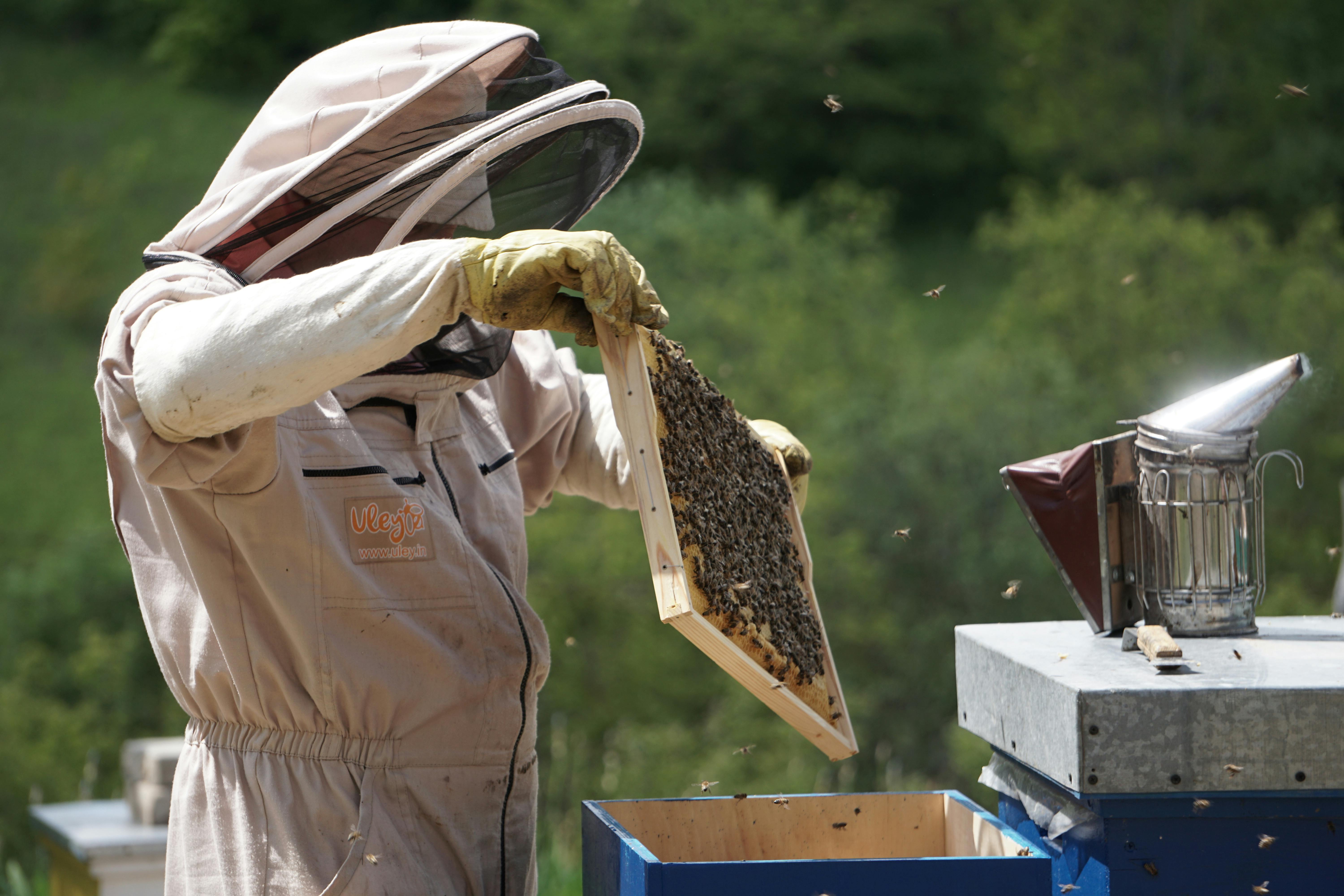
Becoming a successful beekeeper involves more than just providing a box for your bees. It requires developing an understanding of their complex social structure, their seasonal cycles, and their subtle ways of communicating. While full hive inspections are necessary, frequent, less intrusive **checks and observations** can provide invaluable insights into your colony's well-being and intentions, allowing you to be a proactive rather than a reactive beekeeper.
Why Frequent, Quick Checks Matter
Full hive inspections, where you open the hive and pull out frames, can be stressful for the colony. They disrupt the hive's temperature, scent profiles, and the bees' workflow. While essential for tasks like disease detection or queen assessment, they shouldn't be done too often without good reason (e.g., every 7-10 days during active seasons is common for thorough checks, but this varies).
However, **quick, external observations and minimally invasive checks** can be done much more frequently – even daily or every few days – without significantly disturbing the bees. These checks help you build a baseline understanding of your hive's "normal" and quickly spot deviations that might signal a problem or an upcoming event like swarming.
What to Observe During Quick Checks:
1. Hive Entrance Activity
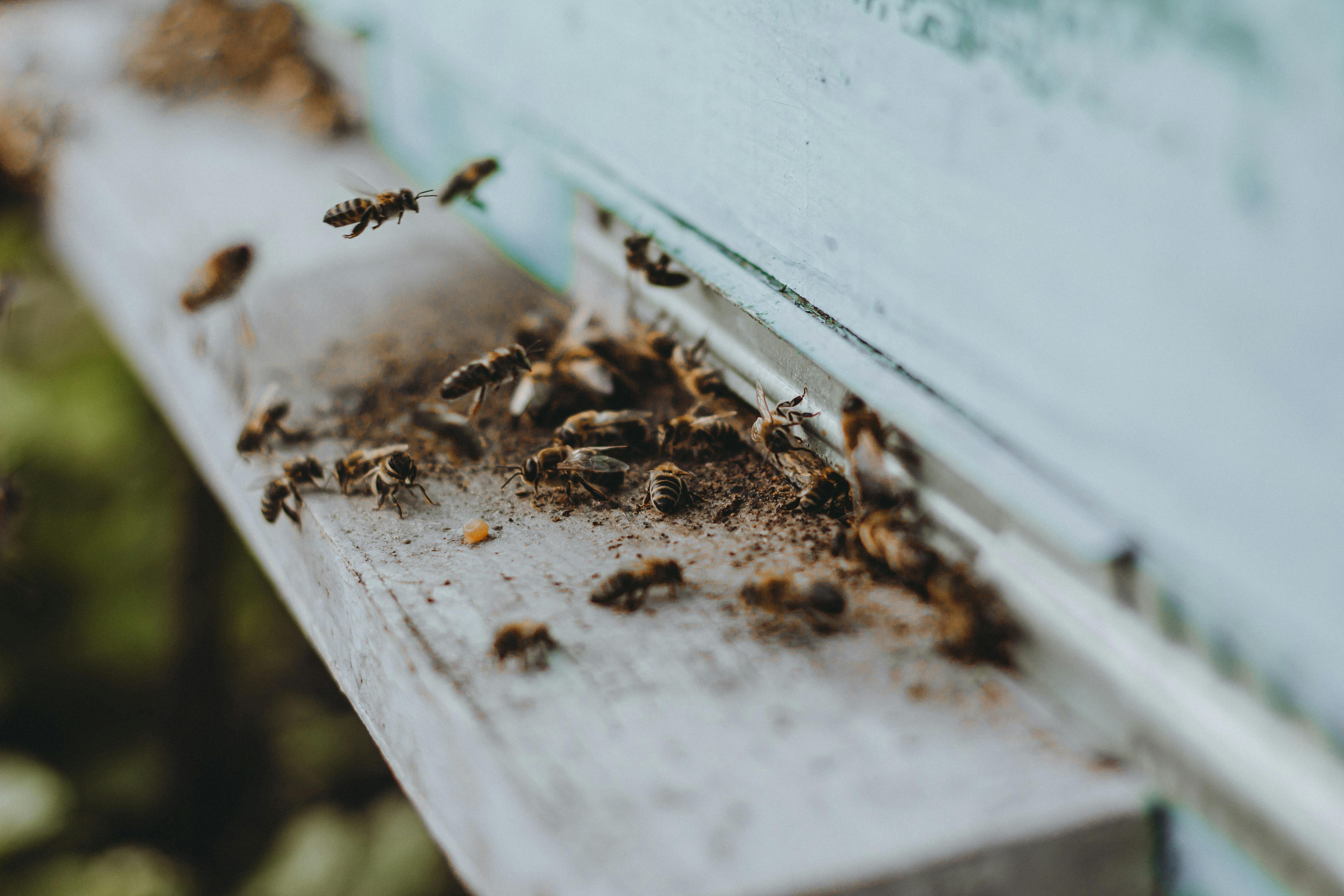
The hive entrance is a window into the colony's soul. Spend a few minutes watching it regularly:
- Foraging Traffic: Are bees actively flying in and out? A busy entrance, especially on a warm, sunny day, usually indicates a healthy, active colony. A sudden drop in activity could signal an issue.
- Pollen Loads: Are bees returning with pollen on their legs? Different colors of pollen indicate diverse forage, which is excellent for nutrition. A lack of pollen coming in could mean a dearth or a problem with brood rearing.
- Orientation Flights: Young bees taking their first flights often hover in a cloud in front of the hive, facing it, as they memorize its location. This is normal.
- Fanning Bees: Bees fanning at the entrance are working to ventilate and cool the hive or to evaporate water from nectar.
- Guard Bees: Observe the behavior of guard bees. Are they calm, or are they unusually defensive? A sudden increase in defensiveness could indicate a queenless hive, robbing, or pest pressure.
- Dead Bees: A few dead bees at the entrance are normal. A large number could indicate poisoning, disease, or a major robbing event.
- Debris on the Bottom Board (if visible): Wax cappings, pollen pellets, or unusual debris can offer clues.
2. Sounds and Smells
- The Hum of the Hive: A healthy, queenright colony usually has a steady, contented hum. A loud, continuous roar might indicate queenlessness or agitation. A very quiet hive could be weak or absconded.
- Scents: A healthy hive often has a pleasant, slightly sweet, waxy aroma. Foul smells can indicate diseases like American Foulbrood (AFB) or European Foulbrood (EFB), or a dead pest inside.
3. External Hive Condition
- Physical Integrity: Is the hive level and stable? Are there any cracks or damage?
- Pest Activity: Look for signs of ants, wasps, or other pests around the hive exterior.
- "Bearding" (in hot weather): A large number of bees clustered on the outside front of the hive during hot, humid weather is often normal behavior as they try to cool the hive. However, it can also sometimes be a precursor to swarming if the hive is also overcrowded.
4. Quick "Tip-Up" or "Heft" (Use with Caution)
For experienced beekeepers, gently tilting the back of the hive slightly (a "tip-up") or carefully "hefting" (lifting one side) can give a rough idea of the hive's weight, indicating honey stores. This should be done smoothly and minimally to avoid disturbing the bees excessively.
Interpreting Intentions: What Are Your Bees Telling You?
These frequent, quick checks help you anticipate the colony's needs and plans:
- Swarm Preparations:
- Increased bearding, even on cooler days.
- A noticeable reduction in foraging activity a day or two before a swarm issues (as bees fill up on honey).
- A sudden, loud roar from the hive can sometimes precede a swarm.
- If you do a quick peek under the lid (a "crack and peek") and see many queen cells along the bottom of frames, they are likely preparing to swarm.
- Queen Issues (Queenlessness or Failing Queen):
- Increased aggression or a "mournful" roar.
- Reduced pollen coming in (as there's less brood to feed).
- During a full inspection, you'd see a lack of eggs/young larvae, or multiple emergency queen cells on the face of the comb.
- Resource Levels:
- Heavy hive: Likely good honey stores.
- Light hive (especially approaching fall/winter or during a dearth): May need feeding.
- Frantic foraging with little pollen: Indicates a strong need for protein.
- Pest or Disease Pressure:
- Spotting Varroa mites on bees at the entrance.
- Unusual debris (e.g., chewed cappings from wax moths).
- Signs of fighting at the entrance (robbing).
When a Full Inspection is Warranted
Quick checks are not a replacement for regular, thorough hive inspections. If your observations from frequent checks raise concerns (e.g., consistently low activity, signs of disease, suspected queenlessness, or strong swarm indicators), then a full internal inspection is necessary to diagnose the issue and take appropriate action.
Learning to "listen" to your bees through regular, mindful observation is one of the most valuable skills a beekeeper can develop. It allows you to become a more attuned and proactive caretaker, anticipating needs and addressing potential problems before they escalate. These frequent checks will deepen your connection with your colonies and make you a more confident and successful beekeeper, truly understanding the intentions of these fascinating creatures.