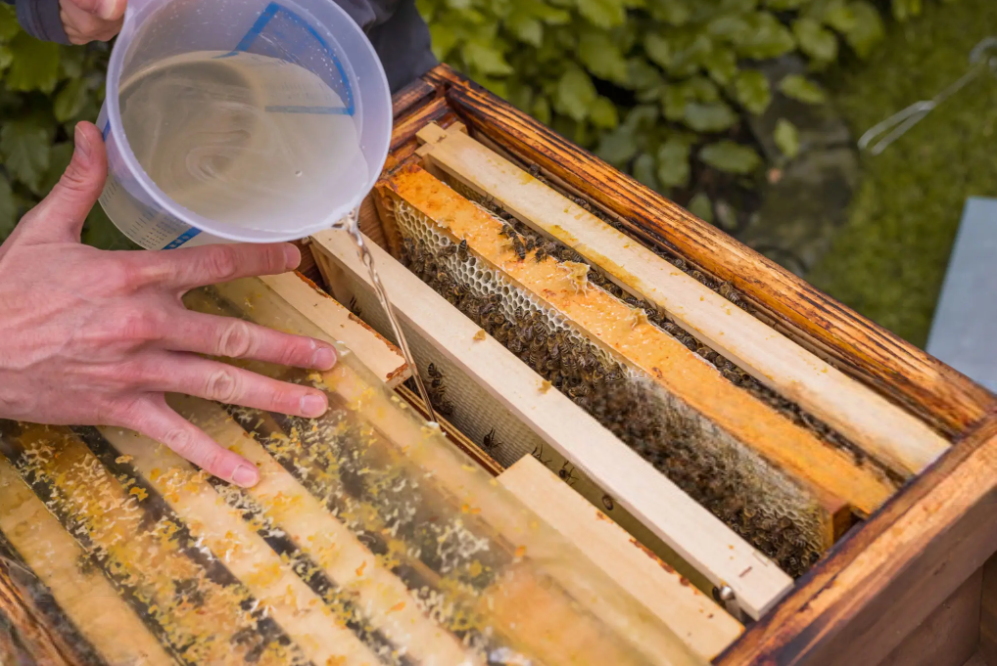
Just like any living creature, honeybees require a balanced diet to thrive. A well-nourished colony is more productive, better able to fend off diseases and pests, and more resilient in the face of environmental challenges. As beekeepers, understanding our bees' nutritional needs and knowing when and how to provide supplemental feeding is a cornerstone of responsible apiary management.
The Bee Diet: Nature's Perfect Pantry
Honeybees primarily rely on two natural food sources collected from flowering plants:
- Nectar: This sugary liquid is the bees' main source of carbohydrates, providing them with the energy needed for flight, foraging, hive maintenance, and heat generation. Bees convert nectar into honey by reducing its moisture content and adding enzymes, then store it in honeycomb cells for later use, especially during winter.
- Pollen: Often called "bee bread" when mixed with nectar or honey and stored, pollen is the bees' primary source of protein, vitamins, minerals, and lipids (fats). It is essential for brood rearing (feeding larvae), the development of young bees, and the overall health and longevity of adult bees. A diversity of pollen sources provides a more complete nutritional profile.
Bees also require water for various purposes, including diluting honey to feed larvae, cooling the hive through evaporation during hot weather, and for their own physiological needs.
When is Supplemental Feeding Necessary?
While bees are adept at foraging for their own food, there are several situations where a beekeeper might need to step in and provide supplemental feeding:
- New Colonies/Packages/Nucs: Newly installed bees have a lot of work to do – drawing out comb, establishing a brood nest, and foraging. Providing sugar syrup can give them a crucial energy boost to get established quickly.
- Darth Periods: These are times when there's a lack of natural nectar-producing flowers in your area. This can occur in mid-summer after spring blooms have faded and before fall flowers appear, or during prolonged drought.
- Preparing for Winter: If a colony hasn't stored enough honey by late fall, supplemental feeding of heavy sugar syrup is essential to ensure they have enough food to survive the cold winter months when foraging is impossible.
- Weak Colonies: A colony weakened by disease, pests, or a poor queen might struggle to forage adequately and can benefit from feeding to help it recover.
- Stimulative Feeding (Spring): Some beekeepers feed light sugar syrup in early spring to simulate a nectar flow, encouraging the queen to increase egg-laying and build up the colony's population ahead of the main natural nectar flow. This should be done cautiously to avoid issues if a cold snap returns.
- Drawing Out Foundation: Bees consume a significant amount of nectar/honey to produce wax. Feeding syrup can help them draw out new foundation more quickly.
It's crucial to assess your specific local conditions and the state of each individual hive. Not all hives will need feeding at the same time, or at all.
Types of Supplemental Feed
1. Sugar Syrup (Carbohydrates)
This is the most common type of supplemental feed, mimicking nectar.
- Light Syrup (1:1 ratio by weight or volume - sugar to water): Used for spring stimulation or for new packages/nucs. It's easier for bees to process and encourages comb building and brood rearing. Example: 1 kg sugar dissolved in 1 liter of hot (not boiling) water.
- Heavy Syrup (2:1 ratio by weight or volume - sugar to water): Used for fall feeding to help bees build up winter stores. It has a lower moisture content, making it easier for bees to convert into honey. Example: 2 kg sugar dissolved in 1 liter of hot water.
Important Notes for Syrup:
- Always use **plain white granulated sugar**. Do not use brown sugar, molasses, powdered sugar (which contains cornstarch), or artificial sweeteners, as these can be harmful or indigestible to bees.
- Dissolve the sugar completely. Do not boil the syrup, as this can caramelize the sugar, making it toxic to bees.
- You can add feeding stimulants like Honey B Healthy or Pro-Health, or a very small amount of essential oils (like lemongrass or spearmint) to make the syrup more attractive, but this is optional.
- Allow syrup to cool to room temperature before feeding.
2. Pollen Patties/Substitutes (Protein)
If there's a pollen dearth (lack of natural pollen sources), especially in early spring when brood rearing is ramping up, providing a pollen substitute can be beneficial. These are commercially available as patties or dry powder that can be mixed.
- Pollen patties are placed directly on the top bars of the frames in the brood chamber.
- Only feed pollen substitutes when bees are actively rearing brood and natural pollen is scarce. Unused pollen substitute can attract pests like small hive beetles.
Methods of Feeding
There are various types of feeders, each with pros and cons:
- Entrance Feeders (Boardman Feeders): A jar of syrup inverted over a small tray that fits into the hive entrance. Pros: Easy to monitor and refill without opening the hive. Cons: Can encourage robbing by other bees/insects, small capacity, less effective in cold weather.
- Top Feeders (Hive-Top Feeders): Sit directly on top of the uppermost hive box, under the outer cover. Can be pail feeders (inverted pail with small holes in the lid) or tray-style feeders. Pros: Large capacity, less likely to cause robbing, bees access it within the hive. Cons: Requires opening the hive to refill, risk of bees drowning in some tray designs if not equipped with floats/screens.
- Frame Feeders (In-Hive Feeders): Take the place of one or two frames inside a hive box. Pros: Within the hive, minimizes robbing, good capacity. Cons: Requires opening the hive to refill, bees can drown if not designed with ladders or floats.
- Open Feeding (Not Generally Recommended): Placing syrup in open containers some distance from the hives. Pros: Easy. Cons: Can cause frantic robbing behavior, spread disease between colonies, and attract unwanted pests. Best avoided.

Important Feeding Considerations
- Avoid Overfeeding: Only feed when necessary. Bees may store syrup in cells intended for brood if overfed, leading to a "honey-bound" brood nest.
- Prevent Robbing: Reduce hive entrances when feeding, especially for weaker colonies. Avoid spilling syrup around the apiary. Feed in the evening if robbing is a concern.
- Hygiene: Keep feeders clean to prevent fermentation and the growth of mold or bacteria.
- Remove Feeders After Use: Once the need for feeding has passed or before adding honey supers you intend to harvest from (to ensure pure honey), remove the feeders.
- Monitor Moisture: If feeding heavy syrup in the fall, ensure the bees have time to dehydrate it and cap it before cold weather sets in.
Providing your bees with the right nutrition at the right time is a fundamental aspect of good beekeeping. By understanding their dietary needs and carefully observing your colonies and local forage conditions, you can make informed decisions about supplemental feeding, ultimately contributing to stronger, healthier, and more productive hives that will reward you with their fascinating behavior and, of course, delicious honey!