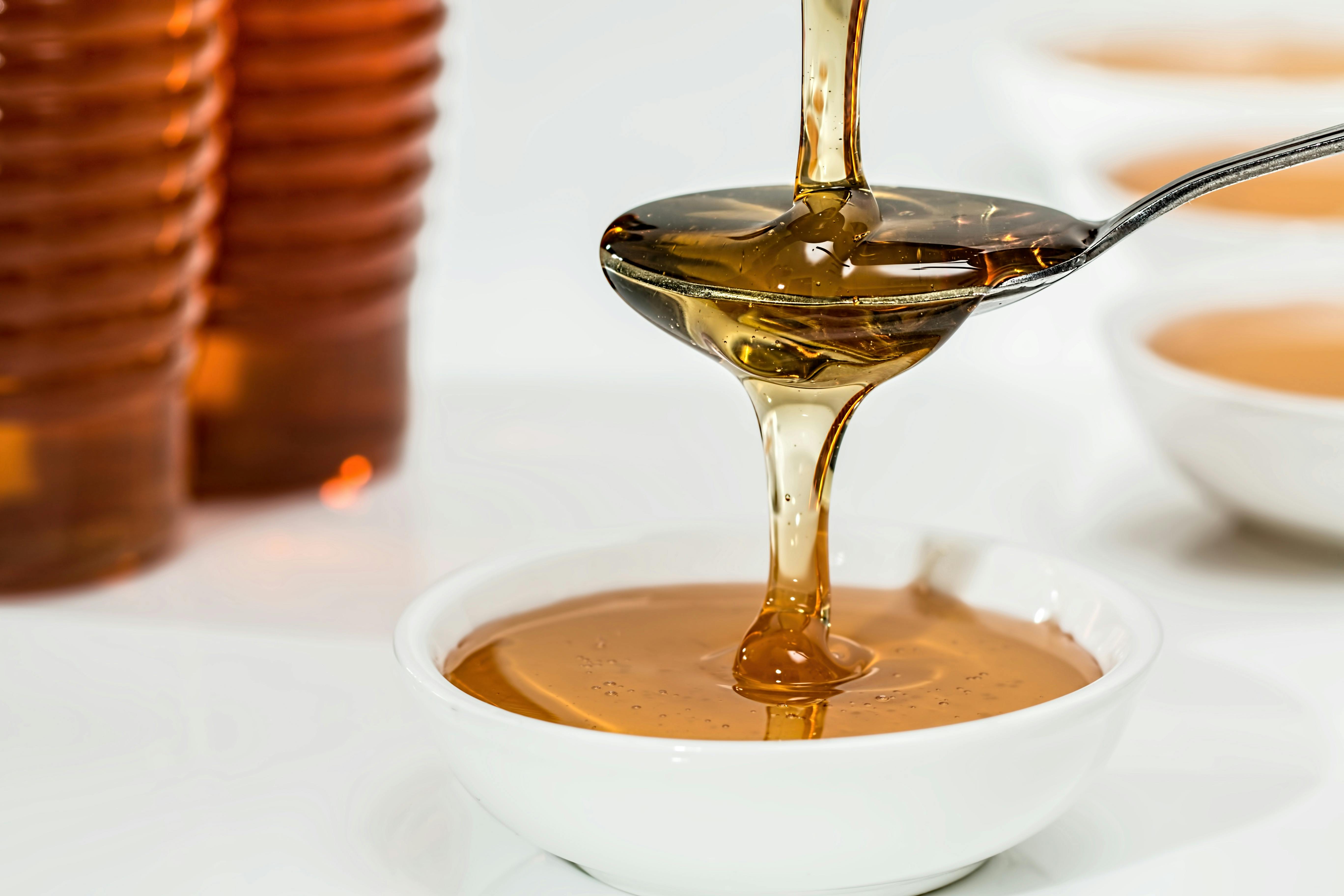
The anticipation of your first honey harvest is one of the most rewarding experiences in beekeeping. It's the culmination of months of your bees' diligent work and your careful stewardship of the hive. While it might seem daunting at first, following a few key steps and understanding the process will lead you to a successful and sweet reward. This guide is designed to walk beginner beekeepers through everything you need to know.
When is the Right Time to Harvest?
Timing your honey harvest correctly is crucial for ensuring high-quality honey. The primary indicator is the **capping of the honeycomb cells**. Bees will only cap cells with wax when the honey inside has reached the optimal moisture content (typically around 17-18%). Honey harvested too early (with too much moisture) can ferment and spoil.
- Look for frames where at least **75-80% of the cells are capped** with white beeswax.
- The main honey flow in your area dictates harvest time. This is usually in **late spring or summer**, depending on your local climate and the available nectar sources (like clover, wildflowers, or specific tree blossoms).
- Avoid harvesting too late in the season, especially if you're in an area with cold winters. Your bees need ample honey stores to survive the winter months. A common rule of thumb is to leave a full deep super or equivalent for the colony.
Essential Tools for Honey Harvesting
Having the right tools will make the harvesting process smoother and safer for both you and your bees. Here’s a list of essentials:
- Protective Gear: A full bee suit, veil, gloves, and closed-toe shoes are non-negotiable.
- Smoker & Fuel: To calm the bees. Use natural fuel like pine needles, burlap, or commercial smoker fuel.
- Hive Tool: A beekeeper's best friend for prying apart hive bodies, supers, and frames.
- Bee Brush: A soft-bristled brush to gently sweep bees off the honey frames. A feather or a handful of long grass can also work in a pinch.
- Empty Super or Bee-Proof Container: To place the honey-filled frames in after removing them from the hive, preventing robbing by other bees.
- Uncapping Tool:
- Uncapping Knife: Can be electric (heated) or cold. Used to slice off the wax cappings.
- Uncapping Fork/Scratcher: Useful for uncapping lower areas missed by the knife or for a more manual approach.
- Uncapping Roller: A roller with spikes that pokes holes in the cappings.
- Honey Extractor (Optional for Small Scale):
- Tangential Extractor: Holds frames like spokes in a wheel; frames need to be flipped.
- Radial Extractor: Holds frames with the top bar facing outwards; doesn't require flipping.
- Manual or electric versions are available. For a first harvest with only a few hives, you might borrow one from a local beekeeping club or use the crush and strain method.
- Double Sieve/Strainer: A coarse and a fine mesh strainer to filter out wax cappings, bee parts, and other debris from the extracted honey.
- Food-Grade Buckets with Honey Gates: For collecting and settling extracted honey. The honey gate makes bottling much easier.
- Refractometer (Optional but Recommended): To accurately measure the moisture content of your honey.
The Harvesting Process: Step-by-Step
Choose a warm, sunny day for harvesting. Bees are generally calmer in good weather. Avoid rainy or very windy days.
1. Hive Preparation and Frame Removal
Approach your hive calmly. A few gentle puffs of smoke at the entrance and then under the lid will help pacify the colony. Give them a minute or two to react.
Remove the outer and inner covers. Identify the honey supers (usually the top boxes). You're looking for frames that are mostly capped. Remove one frame at a time. Hold it over the hive and gently brush the bees off using your bee brush, directing them back into the hive. Place the cleared frame into your empty super or bee-proof container and cover it immediately to prevent robbing.
Important: Only take surplus honey. Ensure you leave enough honey for the bees, especially if you are harvesting late in the season or before winter. A strong colony might need 60-80 lbs (or more, depending on your climate) of honey for winter.
2. Transporting Frames
Once you've collected your frames, transport them to a clean, indoor, bee-proof location for extraction. Bees have an incredible sense of smell, and any exposed honey will attract them (and potentially other insects).
3. Uncapping the Honeycomb
This is where you remove the wax cappings to expose the honey. Work over an uncapping tank or a large food-grade tub to catch the cappings and dripping honey (these cappings are valuable beeswax!).
- If using a heated uncapping knife, let it heat up. Slice downwards, just under the cappings, with a gentle sawing motion. Try to keep the cappings in one piece if possible.
- An uncapping fork or scratcher can be used to get into dips or areas the knife missed.
4. Extracting the Honey
There are two main methods:
a) Using a Honey Extractor:
Place your uncapped frames into the extractor according to its design (radial or tangential). Start spinning slowly, then gradually increase the speed. If using a tangential extractor, spin one side partially, flip the frames, spin the other side fully, then flip back and finish the first side. This prevents blowouts where the weight of the honey on one side breaks the comb on the other.
Honey will be flung out by centrifugal force and collect at the bottom of the extractor.
b) Crush and Strain Method:
This method doesn't require an extractor and is suitable for small harvests or if you're using foundationless frames. Cut the honeycomb out of the frames into a large food-grade bucket. Use a clean potato masher or similar tool to crush the comb thoroughly. Once crushed, pour the honey and wax mixture through your double sieve (coarse on top, fine below) into another clean, food-grade bucket. This process takes time as the honey slowly drains.
5. Straining and Settling
Whether you used an extractor or crush and strain, your honey will have bits of wax and other particles. Strain it through your double sieve into a clean bottling bucket (a bucket with a honey gate at the bottom).
Let the honey settle in the covered bucket for 24-48 hours. This allows air bubbles and any very fine particles to rise to the top, forming a foam that can be skimmed off before bottling.
6. Bottling Your Liquid Gold
Once settled and skimmed, your honey is ready for bottling! Use clean, dry, food-grade jars. If using a bottling bucket with a honey gate, this process is much neater. Fill your jars, leaving a little headspace, and seal them tightly.
Label your honey clearly with the harvest date, your apiary name ("Castana Honey"), and perhaps the primary nectar source if known (e.g., "Wildflower," "Clover").
Cleaning Up
Honey harvesting can be a sticky business! Clean your tools and equipment promptly with warm water. Do not wash honey-covered equipment outside where bees can access it, as this can promote robbing and spread disease. Frames with extracted comb (if not crushed) can be returned to the hives for the bees to clean up (do this in the evening to reduce robbing frenzy) or stored for next year in a pest-proof container.
Your first honey harvest is a truly magical moment. The aroma, the taste, and the satisfaction of collecting this natural sweetener from your own bees are unparalleled. Take your time, be patient, and enjoy the sweet rewards of your beekeeping journey!